
Audio & Video From the Mushkilkosha Network
The network's recordings span Quran recitation with Urdu translation, Nahjul-Balagha sermons, and historic Majalis delivered across several decades. How does the Shia call to prayer differ in its wording and meaning? Our new article explores the role of the muezzin and the evolution of this sacred summons. The muezzin and the Shia call to prayer Related video content is also shared through the network's own YouTube channel and the Nowgawan Sadat Azadari channel.
These collections preserve the voices of reciters and scholars associated with the site, offered here for listening and reflection rather than as a scheduled broadcast. Our latest article delves into Imam Ali’s vision of creation and divine order, offering profound reflections on the harmony of existence. Imam Ali’s vision of creation and divine order
The name Ya Ali Mushkilkosha carries deep spiritual resonance for those who turn to the Ahlul-Bayt in moments of difficulty. It reflects a tradition of seeking intercession through the exalted station of Imam Ali, whose wisdom and compassion are regarded as a refuge for the troubled heart. This invocation is not merely a phrase but a lived expression of trust in divine mercy channelled through those closest to God.
Devotional practice within this tradition draws heavily on the recited word, and the Mushkilkosha network places Quran recitation at the centre of its offerings. Recordings pair the original Arabic with Urdu translation, allowing listeners to absorb both the sound and the meaning of the sacred text. This dual-language approach bridges generations and geographies, making the revealed word accessible to those who may speak one language more fluently than the other.
Nahjul-Balagha stands as a towering work of eloquence and ethical guidance, and its inclusion in the network's audio library reflects its enduring importance. The collected sermons, letters, and sayings of Imam Ali address themes of justice, governance, and personal conduct with a clarity that continues to speak across centuries. Hearing these texts recited aloud adds a dimension of presence that silent reading alone cannot convey.
The elegiac traditions of the Shia world find expression through nohay and marsiyah, poetic forms that commemorate the tragedy of Karbala and the sacrifices of the Ahlul-Bayt. These recitations are not simply historical recollections but acts of mourning that renew a communal bond with the martyrs. The network preserves recordings that capture the emotional depth and vocal artistry of this genre across different periods and styles.
Majalis gatherings form the social and spiritual backbone of devotional life, bringing communities together for remembrance, lamentation, and learning. The historic majalis preserved in the network's archive span several decades, offering a window into the voices and concerns of earlier generations. Listening to these recordings connects the present-day seeker with a living chain of oral transmission that stretches back through time.
Qasiday and other poetic praise forms celebrate the virtues of the Prophet and his household in lyrical language that uplifts the soul. These compositions, often sung in Urdu and other regional languages, blend literary craft with sincere devotion. By making such recordings available, the network ensures that these expressions of love for the Ahlul-Bayt remain accessible to audiences scattered across the globe.
The written word complements the audio collections through scholarly articles and essays that explore theological, historical, and ethical dimensions of the faith. These texts serve readers who seek a more analytical engagement with the tradition, addressing questions that arise in contemporary contexts while remaining rooted in classical sources. English, Urdu, and Swedish content reflects the linguistic diversity of the community.
Behind the digital presence lies a broader network of channels and contributors who share audio and video content through platforms like YouTube. The Nowgawan Sadat Azadari channel and the network's own channel extend the reach of these recordings to new audiences, ensuring that voices from the past continue to resonate in the present. This quiet, persistent work of preservation and dissemination keeps the tradition alive.
Audio Collections

Holy Quran Audio
Recitation by Qari Shaher Yar Perhaizgar with Urdu translation by Allama Zeeshan Haider Jawadi, presented in MP3 format.
Listen →
Nahjul-Balagha Audio
Khutbaat translated by Hujjat-ul-Islam Maulana Mufti Jafar Saheb, recited by Syed Nasir Kazmi and recorded in Islamabad, Pakistan.
Listen →
Majalis-e-Aza
Historical sermon recordings by scholars including Maulana Maqbool Ahmed and Maulana Dr. Kalbe Sadiq, spanning 1983 through 2009.
Explore →
Nohay Collection
Elegies from Moharram observances between 1433 A.H and 1437 A.H, featuring Noha-Khwans such as Nafees Hallauri and Sawan Hallauri.
Explore →Scholars, Poetry & Teachings
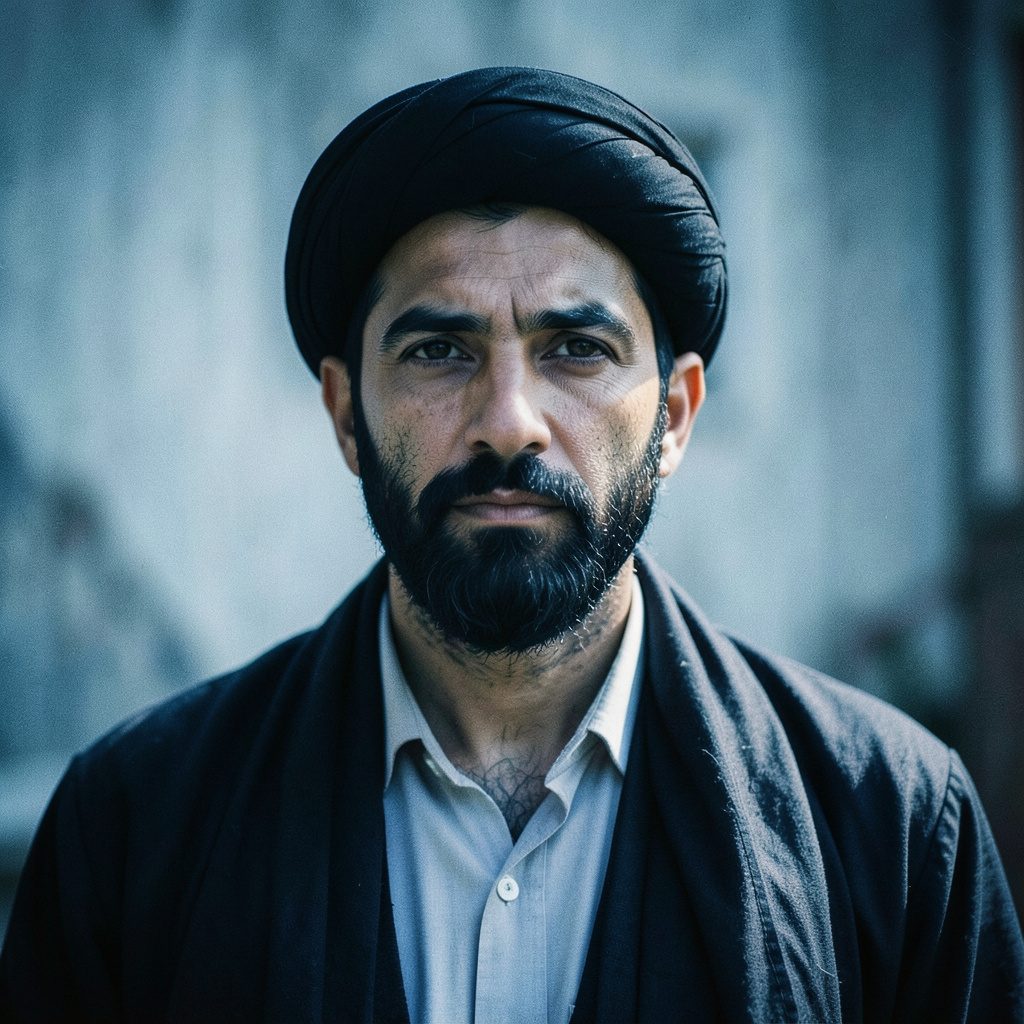
Scholars
An introduction to Al-Hajj Maulana Maqbool Ahmed Saheb Nowganwi, born January 15, 1942, in Nowgawan Sadat, district Moradabad, India.
Read more →
Qasiday
Poetic eulogies and Urdu poetry recited by Akhtar Husain Lucknawi, Ali Safeer and Syed Shuja Abbas Zaidi, including Khutba-e-Ghadeer and Mukhtar-Nama.
Listen →
Hadith
Sayings of the Prophet Muhammad (S.A.W) on the status of Ali (A.S) and the Ahlul-Bayt, including the Hadith of Thaqalayn.
Read more →Get in Touch
For questions about the network's audio archives, articles, or written content, reach out through the contact page.
Contact Us